

Stronger Results Start With Smarter Protein Nutrition
Building real muscle isn’t just about how hard training sessions are—it’s about how well the body is fueled before, during, and after every workout. Protein plays a central role in muscle growth because it provides the amino acids the body uses to repair damaged muscle fibers and rebuild them stronger. Without enough protein, training becomes effort without reward. Muscles break down in the gym, but they grow during recovery, and that recovery process depends heavily on consistent, high-quality protein intake that supports tissue repair and adaptation. Many fitness enthusiasts turn to 1st Phorm Phormula 1 as part of their post-workout routine.
When training intensity increases, the body’s demand for protein rises as well. Resistance training creates microscopic damage in muscle tissue, which is a natural and necessary part of growth. Protein helps rebuild those fibers thicker and more resilient, supporting long-term strength gains and improved performance. This process doesn’t happen from a single shake or meal; it happens through daily nutritional habits that consistently provide the body with the building blocks it needs. Over time, this steady fueling approach leads to visible changes in muscle tone, strength, and overall physical resilience.
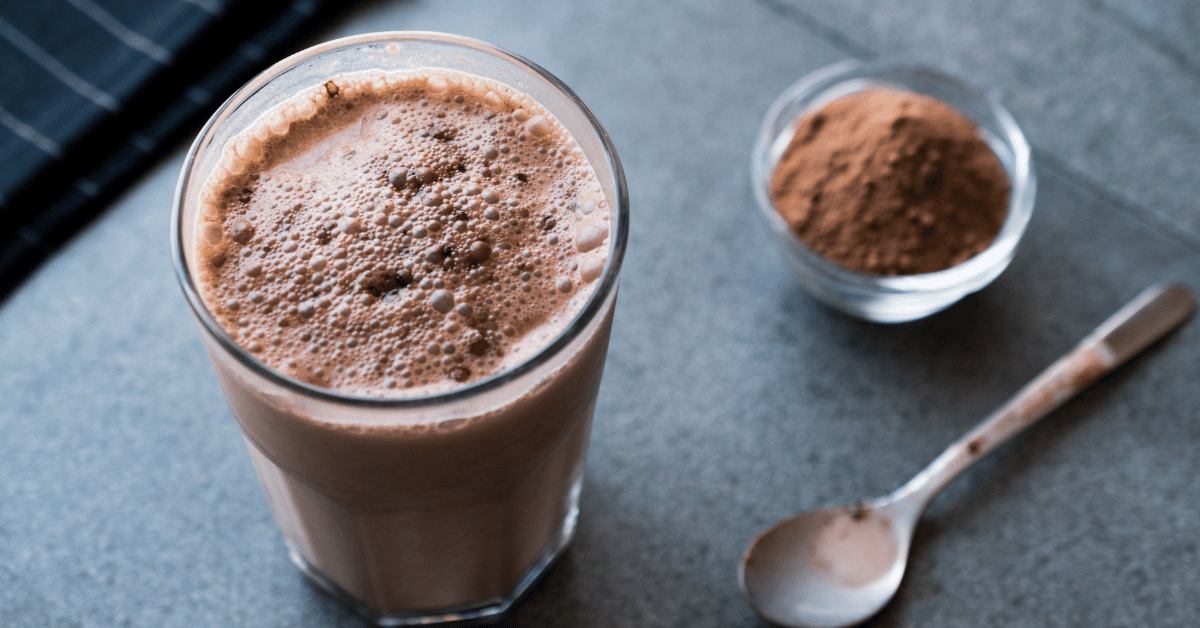
Recovery is where progress truly happens. Training provides the stimulus, but recovery determines the outcome. Protein supports this phase by helping regulate muscle protein synthesis, reduce breakdown, and improve recovery speed between workouts. Proper fueling can reduce soreness, improve training consistency, and support better energy levels throughout the week. When recovery is supported properly, workouts feel more productive instead of exhausting, and progress becomes sustainable instead of sporadic.
Protein also plays an important role beyond muscle repair. It supports hormone regulation, immune function, and metabolic health, all of which influence training performance and long-term fitness. Balanced protein intake helps stabilize energy, control cravings, and support lean body composition, making it easier to maintain discipline in both training and nutrition. This creates a positive cycle where better nutrition supports better workouts, and better workouts reinforce healthier habits.
Growing muscle isn’t about extreme diets or complicated plans. It’s about alignment between training, recovery, and nutrition. Protein becomes the foundation that connects effort in the gym with results in the mirror. When fueling is intentional and consistent, the body responds by adapting, strengthening, and building lean muscle over time. This approach transforms fitness from a short-term goal into a long-term lifestyle, where training feels purposeful, recovery feels effective, and progress becomes something that compounds naturally instead of something that constantly has to be chased.
…