

Essential Fire Watch Support for High-Risk Hot Work Activities on Active Sites
Welding and cutting operations introduce some of the highest fire risks found on commercial and industrial sites. Sparks, open flames, and extreme heat can ignite nearby materials in seconds, especially in environments where flammable substances, dust, or structural components are present. When hot work is required, fire watch guards play a critical role in maintaining safety, compliance, and uninterrupted operations by providing continuous monitoring before, during, and after work is performed.
Hot work fire watch guards are trained to understand the unique dangers associated with welding and cutting activities. Their responsibility begins before work starts by ensuring the area is properly prepared, combustible materials are controlled, and fire extinguishing equipment is readily available. During operations, they maintain constant visual oversight, watching for stray sparks, smoldering materials, or heat transfer that could lead to ignition. This focused attention helps prevent small issues from developing into dangerous fires that threaten people, property, and project timelines.
The need for hot work fire watch guards is often driven by regulatory and insurance requirements. Many fire codes mandate fire watch coverage whenever welding or cutting takes place outside designated safe areas or when built-in fire protection systems are compromised. Having trained fire watch professionals on-site demonstrates a commitment to safety and regulatory compliance, helping businesses avoid fines, shutdowns, or costly delays. Detailed documentation of fire watch activity also provides valuable proof that proper precautions were taken throughout the operation.
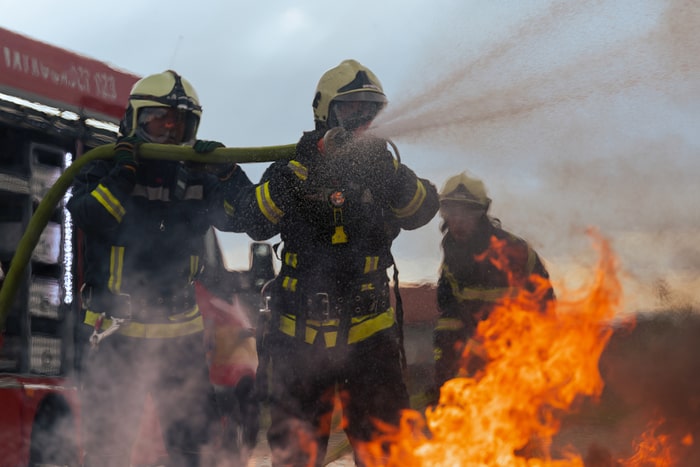
Immediate response capability is one of the most important benefits of hot work fire watch security. Automated systems may not detect slow-burning embers or hidden heat buildup within walls, floors, or equipment. Fire watch guards are trained to recognize these subtle warning signs and act quickly, using fire suppression tools or alerting emergency services as needed. Their presence significantly reduces the likelihood of fires occurring after work has ended, a time when many hot work incidents actually begin.
Beyond compliance and response, fire watch guards contribute to a safer work culture. Their visible presence reinforces the importance of following hot work protocols and encourages crews to remain mindful of fire risks. This added layer of accountability supports smoother operations and protects everyone involved in the project.
Knowing when you need hot work fire watch guards for welding and cutting operations is essential for risk prevention. By providing constant oversight, rapid response, and regulatory awareness, fire watch professionals help ensure hot work is completed safely, efficiently, and without unnecessary danger.