

The Pros and Cons of Clear Braces
Clear braces have become an appealing choice for those seeking a straighter smile without drawing too much attention to their orthodontic treatment. They offer a modern alternative to the traditional metal look, blending with the natural shade of teeth for a more subtle appearance. Designed to correct crooked, crowded, spaced, or overlapping teeth, these braces work in much the same way as their metal counterparts, but with a softer visual impact. Many patients appreciate how they allow for both professional confidence and social ease during the alignment process. While they deliver reliable results, it is worth knowing that treatment can take slightly longer due to the materials being less durable than metal.
The visual difference is often the first reason people lean toward this option. Ceramic brackets, which form the main structure of clear braces, are carefully crafted to be tooth-colored or transparent, helping them blend with the smile. This makes them a preferred choice for adults and teens who want the corrective benefits without the bold, metallic style. In day-to-day life, this subtlety can be a game-changer, particularly in professional environments or during significant life events where photographs and first impressions matter.
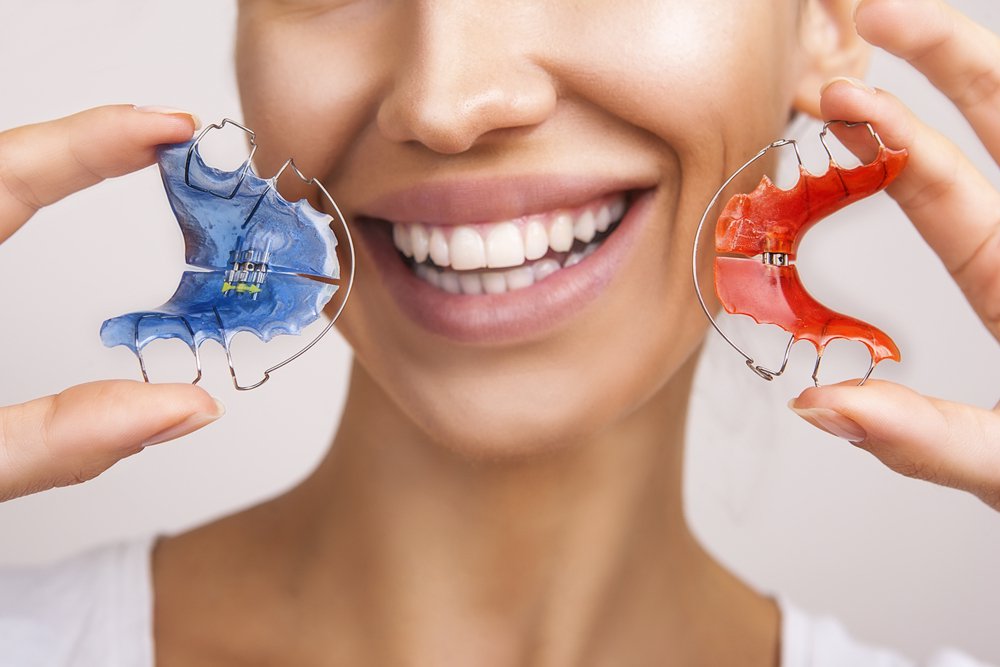
In terms of function, the mechanics are reassuringly familiar. Like metal braces, they use brackets and wires to gradually guide teeth into better alignment, applying steady, gentle pressure over time. Adjustments are made periodically to ensure the movement stays on track. However, ceramic materials are slightly more fragile than stainless steel, which means extra care is needed. Patients are often advised to avoid overly hard or sticky foods that could damage the brackets, keeping treatment smooth and uninterrupted. The commitment to these small lifestyle changes can help preserve both the appearance and function of the braces.
There is also the matter of treatment time, which is a consideration for anyone weighing the pros and cons. While these braces can handle a wide range of orthodontic issues, their gentler structure sometimes means a longer process to reach the final result. For some, the trade-off is well worth it, especially if the goal is to keep the treatment as discreet as possible. Others might prefer a faster option, even if it means a more visible appliance. This decision often comes down to personal priorities, and working closely with an orthodontist ensures the choice aligns with both dental needs and lifestyle preferences.
Clear braces strike a balance between effectiveness and appearance, offering a path to straighter teeth without overshadowing a smile during the process. They are particularly well-suited to those who value subtlety and are willing to make small adjustments to daily habits in exchange for a more discreet treatment experience. With the right care and commitment, the end result is a healthier, more confident smile, achieved in a way that feels both modern and personal. For many, that combination makes the journey just as rewarding as the transformation itself.